How to Improve Product and Category Pages With E-Commerce SEO
Building Content That Supports E-Commerce Buyers
Online shoppers search for more than product names. They may be comparing features, learning how to choose an item, checking compatibility, or looking for care and use guidance. E-commerce content can help answer these questions and guide visitors toward relevant products. It works best when each page has a clear purpose and provides information that helps a customer make a decision.
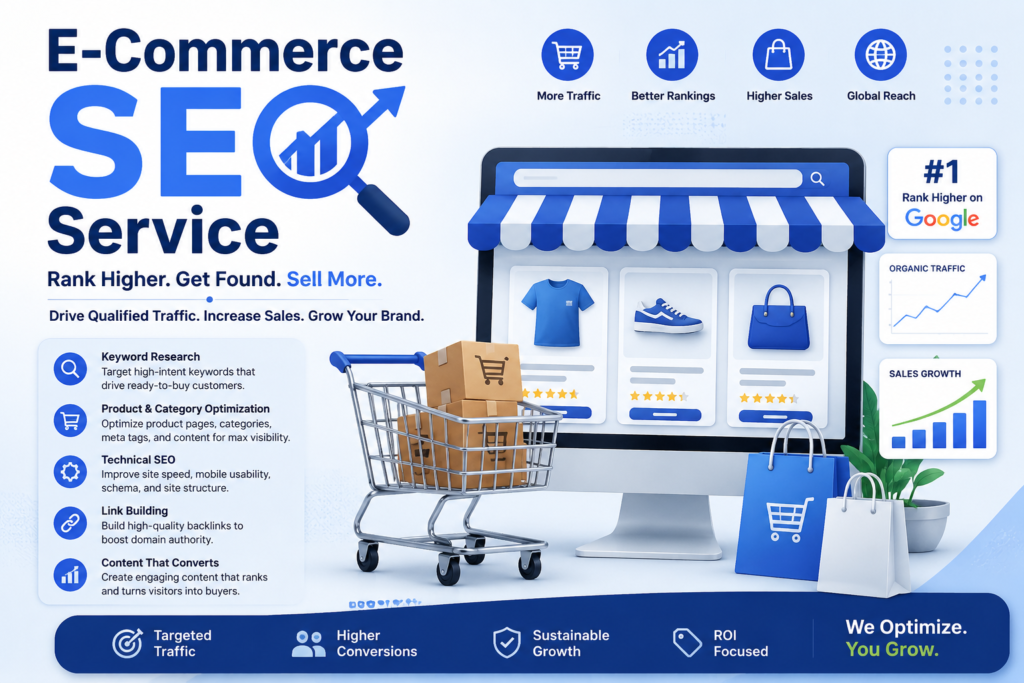
Worldwide Digital Hub’s E-Commerce SEO Service describes content strategy alongside product and category optimization. Businesses can use an organized content plan to support organic discovery without creating a large volume of generic articles. The goal is to connect useful information with the store’s actual products and customer needs.
Start With Questions From Customers
Collect questions from customer support, sales, product reviews, search data, and conversations with shoppers. Group them by topic and stage. Early-stage visitors may need an explanation of a category, while customers comparing items may want a guide to differences or compatibility. People who have already selected a product may need shipping, care, or setup information.
Choose topics the business can answer accurately. Product experts can often provide detail that is missing from generic web content. Verify technical claims, compatibility information, and care instructions before publication. If the store cannot substantiate a claim, do not include it simply because a competitor uses similar wording.
Assign Each Topic a Page Type
A category page can introduce a group of products, a product page can describe one item, and a buying guide can compare options across a range. A frequently asked question may belong on a product page if it directly affects purchase decisions. Mapping topics to page types helps prevent multiple pages from repeating the same information.
Make Product Content Genuinely Useful
Product descriptions should explain what the item is, what is included, and which characteristics matter to shoppers. Use accurate specifications and clarify terms that may be unfamiliar. If a product has variants, explain the differences and make selection straightforward. Keep availability, shipping, returns, and warranty details consistent with the store’s current policies.
Original content can help a product page stand out from stores that use identical manufacturer copy. Add information that assists comparison, installation, fit, care, or compatibility where relevant. Do not add filler paragraphs simply to increase word count. A shopper should be able to scan the page and find the details that matter.
Create Buying Guides That Help People Compare
A buying guide can explain how to choose among products using criteria that genuinely matter. It might compare sizes, materials, features, or use cases. Be transparent about the basis for recommendations and avoid pretending that one product is best for every customer. If the guide discusses prices or availability, keep the information current or explain that it may change.
Comparison content should link to the products or categories it discusses. The links should help the reader continue shopping rather than interrupt the explanation. If an item is discontinued, update the guide or direct customers to a suitable current alternative without misrepresenting the original product.
- Answer real customer questions with verified information.
- Use clear headings and scannable explanations.
- Link guides to relevant products and categories.
- Update pages when specifications or policies change.
- Avoid unsupported comparisons and exaggerated claims.
Organize Content Across the Store
Plan how articles, categories, and product pages connect. A guide about selecting a product can link to the appropriate category, while category pages can point to resources that answer common questions. Use descriptive internal links and make sure visitors can return to product listings easily. A connected structure helps people explore without losing track of their original goal.
Review the website for pages that overlap. If several articles answer the same question, decide whether they can be combined or differentiated. A smaller number of useful, maintained resources is often easier for customers and the store team to navigate than a large archive of similar posts.
Consider the Buying Journey
Different visitors need different levels of detail. A new shopper may appreciate a simple overview, while a technically experienced buyer may want specifications and compatibility data. Structure the content so readers can scan the main points and then access deeper detail. Avoid assuming every visitor is ready to buy; educational information can support a later decision.
Make the next step clear but appropriate. A guide can invite the reader to explore related categories, while a product page can provide a direct purchase path. If the item is unavailable, tell the visitor and offer a truthful alternative when one exists. Clear information improves the experience even when the first choice cannot be purchased.
Measure Content Performance
Track organic visits to priority guides, movement from guides to product pages, engagement, add-to-cart actions, and sales where analytics can measure them reliably. Review which queries bring visitors and whether the page answers their likely need. If a guide attracts traffic but does not help shoppers proceed, examine its clarity, links, and relevance to the catalog.
Search performance does not prove that a particular article caused a sale. Promotions, pricing, availability, seasonality, and other channels can affect results. Use consistent reporting and note major changes. Worldwide Digital Hub can be evaluated by asking how its e-commerce content recommendations will be mapped to buyer questions and measured against business goals.
Conclusion
E-commerce content can support organic discovery and shopping decisions when it answers real customer questions, uses verified product information, and links naturally to relevant pages. Product descriptions, category introductions, and Ecommerce SEO Service buying guides each have distinct roles.
Build a maintainable plan, review content as products change, and measure how visitors use the resources. Helpful content supports shoppers first while giving the store Ecommerce SEO Service a stronger foundation for search visibility.